
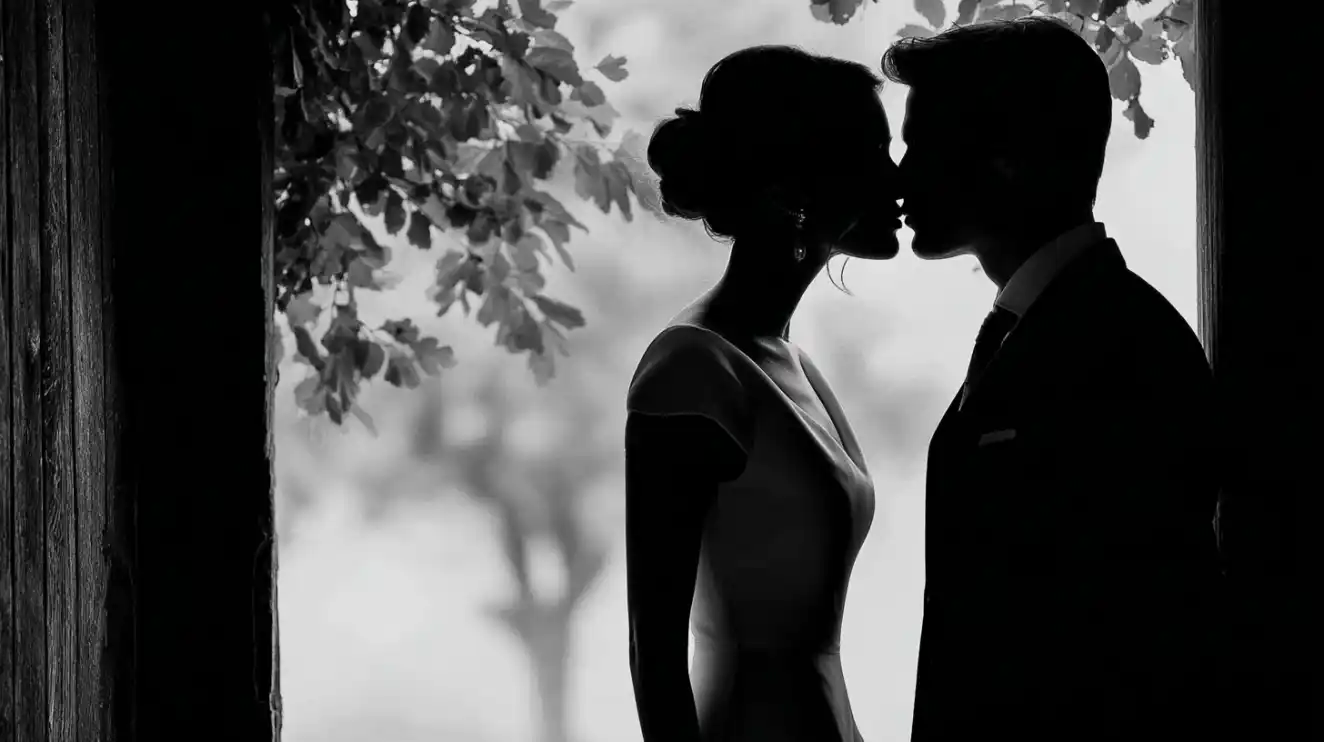
Dress code wording for LDS wedding invitations sounds like a tiny detail until somebody texts, “Wait, is this tuxedo level or just nice shoes?” That is usually when the stress starts. The good news is that this part is simpler than it looks. You are not trying to control every outfit choice. You are trying to help people show up feeling prepared, comfortable, and on the right page.
In my opinion, that is the real job of attire wording. It should be clear first and stylish second. If a guest has to decode “moonlit garden glam” like it is a puzzle, the wording is not doing its job. A short, familiar phrase usually works better than something clever.
Why dress code wording matters
A lot of couples assume the invitation design will explain the vibe on its own. Sometimes it does. A formal script card suggests a more formal event. A playful design can hint at something relaxed. But design only goes so far.
A guest still needs to know whether this is black tie, cocktail attire, semi-formal, or something more casual. And they may also need practical context. Is the ceremony on grass? Is the reception outdoors after sunset? Is the venue a church? Those details affect what people actually wear.
That is why dress code wording for wedding invitations is helpful even though it is technically optional. It cuts down on confusion. It also saves you from answering the same question ten different ways in group texts.
Where dress code wording for wedding invitations should go
If the dress code is short and standard, you can place it right on the invitation. The bottom of the card is usually the cleanest spot. Something like “Black tie,” “Mocktail attire,” or “Formal attire” is easy to read and does not take over the design.
If the wording needs explanation, move it to a details card or your wedding website. That is usually the better call for outdoor weddings, beach weddings, church ceremonies, or anything with extra context. For example, “Garden attire” is fine, but “Garden attire, ceremony on the lawn” is a lot more useful. Same goes for “Beach formal” with a short note about sand-friendly shoes.
If you want to see how this works in a real suite, PrintInvitations has a helpful guide to dress code wording for wedding invitations and details cards. And if you are planning the rest of the suite too, their guide to wedding RSVP card wording is useful for keeping everything clear from start to finish.
Best wording examples by formality
The easiest way to get this right is to use terms people already understand.
Black tie
Use this when the event is truly formal and evening-forward.
Example: Black tie
Black-tie optional
This works well when you want a polished event but still want some flexibility.
Example: Black-tie optional
Formal attire
A good middle ground for an elegant wedding that is dressed up but not full tuxedo territory.
Example: Formal attire
Cocktail attire
Probably the safest choice for a lot of weddings. It feels polished, familiar, and not too rigid.
Example: Cocktail attire
Semi-formal attire
Best for a relaxed but still put-together event.
Example: Semi-formal attire
Dressy casual
Useful for daytime or more laid-back settings, but only if the rest of the event supports that tone.
Example: Dressy casual
Beach formal
This can work, but it is better with context.
Example: Beach formal
Lightweight formalwear and sand-friendly shoes recommended
Garden attire
Another setting-based phrase that benefits from one extra line.
Example: Garden attire
Ceremony and cocktails will take place outdoors on grass
The pattern is simple. Standard label first. Helpful note second, if needed.
What to avoid
The biggest mistake is getting too creative. I get the temptation. You want the invitation to sound like your wedding, not like a generic template. But guests still need to know what to wear.
Phrases like “elevated romance,” “ethereal elegance,” or “dress to the vibe” may sound pretty, but they do not help much in front of a closet. A better move is to keep the personality and translate it into something wearable.
For example, instead of:
Desert glam
Try:
Cocktail attire in breathable fabrics recommended
Instead of:
Mountain chic elegance
Try:
Semi-formal attire with comfortable shoes for outdoor walking
That gives guests something they can actually use.
Another mistake is sounding harsh. “No jeans, no sneakers, no exceptions” may be honest, but it rarely reads well on an invitation. Positive wording tends to land better. “Cocktail attire” feels clearer and more gracious than a list of prohibited items.
A simple formula you can use
If you are stuck, use this formula:
[Standard dress code] + [short venue note if needed]
That is it.
Here are a few plug-and-play examples:
Cocktail attire
Formal attire
Reception to follow outdoors
Black-tie optional
Dark suits and cocktail dresses are welcome
Garden attire
Block heels or flats recommended for the lawn
Beach formal
Light fabrics and sand-friendly shoes recommended
This approach keeps the main card clean and still gives guests real guidance.
Final thought
The best dress code wording is not the fanciest wording. It is the wording that answers the question fast. Guests should be able to glance at the invitation and know what kind of event this is, how dressed up they should be, and whether there is anything practical they should plan for.
So if you are working on dress code wording for wedding invitations, keep it simple. Use familiar language. Add context when the venue or setting calls for it. And remember, nobody has ever complained that an invitation was too clear.