
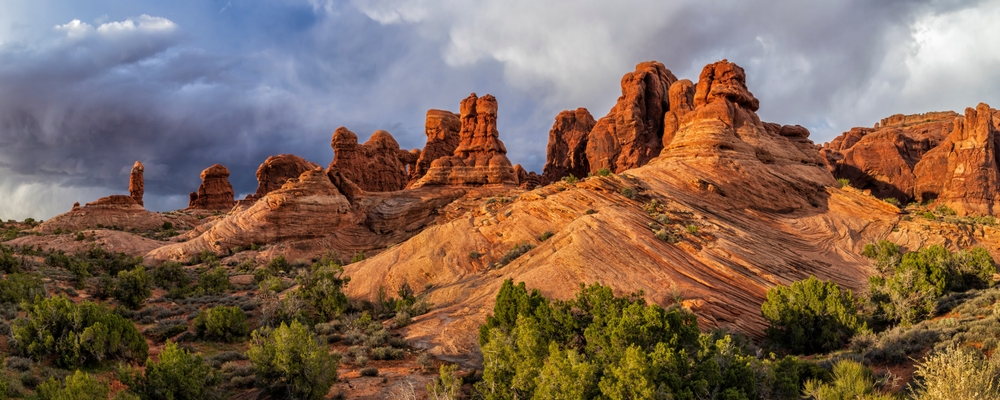
Utah is one of the best road-trip states in the country, but not every beautiful drive needs to come with parking anxiety and a line of rental SUVs. Visit Utah says the state has 28 scenic byways, and its “undiscovered” road-trip coverage specifically points people toward routes that shy away from the more heavily traveled national parks, where you can expect fewer crowds and a more authentic experience. That is exactly the lane this article is after.
To be clear, the famous drives are famous for a reason. Scenic Byway 12 is incredible. Alpine Loop is gorgeous. Mirror Lake Highway is a classic. But sometimes you want something a little less obvious. Something where the road still feels like the destination, but the day does not feel like an audition for patience. Utah has a lot of those drives too. They just get less attention.
What a lower-stress scenic drive looks like
For this kind of list, I am looking for drives that still deliver big Utah scenery but spread people out better, pull you into smaller towns, or sit outside the state’s most crowded travel loops. That can mean a high mountain byway, a canyon corridor, or a road that carries you through country people skip because they are sprinting toward the Mighty 5. Less crowded does not mean empty, and it does not mean boring. It just means the trip feels a little more breathable.
Ogden River Scenic Byway is one of northern Utah’s best overlooked drives
Visit Utah’s undiscovered drive guide describes the Ogden River Scenic Byway as a 30-mile canyon and alpine drive, with an optional 30-mile descent to Woodruff in Bear River Valley. Another state page adds that the route climbs from urban Ogden into quartzite gorges, a beautiful high valley, and mountain meadows near Monte Cristo Summit. That is a lot of variety for a drive that still feels off most people’s default radar.
This drive works because it changes character as you go. It starts close to a real city, then keeps pulling you farther into mountain country until the whole day feels different. You can pair it with Huntsville, Pineview Reservoir, or time in Ogden itself if you want food and downtown energy at either end. It is one of those drives that feels bigger than people expect, which is usually a sign you found a good one.
Logan Canyon gives you cliffs, river, and Bear Lake payoff
Logan Canyon is not exactly a secret, but it is still quieter than many of Utah’s better-known canyon drives. Visit Utah’s Logan coverage says that straight out, and its scenic byways pages describe the route as a 41-mile national scenic byway running alongside the Logan River through dramatic limestone cliffs before cresting above Bear Lake. That is a very strong pitch for anyone who wants mountain scenery without heading straight into the most crowded parts of the Wasatch or southern Utah.
What makes Logan Canyon especially good is that it gives you options without breaking the mood. You can stop for short hikes, picnic near water, hit the Bear Lake overlook, or keep going until the lake itself becomes the day’s second act. The drive feels scenic from the start, which matters. You are not just spending an hour waiting for the pretty part.
Nebo Loop is a great way to get mountain scenery without the full Alpine Loop circus
Nebo Loop deserves way more love. Visit Utah lists it as a 38-mile national scenic byway with views over Utah and Nephi valleys while looking up at Mount Nebo, the tallest peak in the Wasatch Range. Its scenic byway guide also notes waterfalls, campsites, picnic areas, and short hikes off the road, including family-friendly stops like Devils Kitchen. That is exactly the kind of drive that lets you keep the day flexible.
I like Nebo Loop because it feels dramatic without feeling overprocessed. The road itself gives you a lot, and if you want more, you can step out for brief stops without turning the whole outing into a full-blown hiking plan. It is the kind of drive that works for fall color, summer escapes, and casual photography days. And compared with Utah’s most famous mountain roads, it often feels a little easier to breathe on.
Beaver Canyon Scenic Byway is a strong pick when you want forest and high-country space
Southern Utah is not only red rock. The Beaver Canyon Scenic Byway is a nice reminder of that. Visit Utah’s undiscovered drive coverage describes it as a 17-mile mountain-canyon drive from Beaver to Eagle Point Ski Resort that can continue unpaved over the Tushars into the Sevier River Valley. Its Beaver page calls it one of Utah’s best drives and notes the linked Kimberly/Big John backway on the other side of the range.
This route is a good answer for people who want mountain scenery but not the same mountain scenery everybody else is chasing. It feels greener, higher, and quieter than a lot of Utah road-trip marketing would lead you to expect. And because Beaver itself is a practical stop before or after the drive, the whole outing stays grounded. You are not just floating through pretty views with nowhere to land.
Patchwork Parkway gives you variety in a short, beautiful window
Patchwork Parkway is one of those drives that deserves more mainstream attention. Visit Utah says it runs 50 miles from Parowan to Panguitch, with a side trip to Cedar Breaks National Monument, and highlights the route’s mix of colors, cultures, climates, wildflowers, wildlife, and rock formations. It is also frequently praised for both spring beauty and fall color.
What I like here is the range. The drive does not lock you into one visual note. It shifts as you climb and descend, which keeps the route from feeling repetitive. And because it ties together smaller communities and forested high country instead of only funneling people toward one blockbuster stop, it can feel more relaxed than the state’s most famous headline drives. This is a very good pick for people who want real scenery without needing the trip to be a status symbol.
Flaming Gorge Scenic Byway is the move when you want open country and a bigger sense of space
Flaming Gorge is a little farther out than some of the other drives here, but that is part of why it works. Visit Utah’s scenic driving page maps the official route from Vernal north on U.S. 191 to Greendale Junction, then west on Highway 44 to Manila, and recommends side driving on the Sheep Creek Geological Loop. Another Visit Utah road-trip article describes the broader Flaming Gorge area as a scenic playground with more than 200,000 acres of land and water.
This is a drive for people who want space as much as scenery. The land feels wide, the water changes the mood, and the whole area has a more expansive, less compressed feeling than Utah’s busiest corridor drives. It is not the quickest casual outing if you are based on the Wasatch Front, but if your goal is to trade congestion for elbow room, this is one of the better answers in the state.
A quick note on the famous seasonal roads
If your heart is set on Alpine Loop or Mirror Lake Highway, I get it. They are beautiful. Just know that UDOT tracks seasonal road status, and its Wasatch Back road information says routes like Mirror Lake Highway, Guardsman Pass, Wolf Creek Summit, and East Canyon are typically closed from November through May or June, depending on snow and maintenance. UDOT also advises travelers to check traffic and current conditions before heading out. So yes, do the famous drives too, just do them with current road info in hand.
Conclusion
Utah does not run out of scenic roads. The challenge is usually the opposite. There are too many, and the biggest names soak up most of the attention. That is why drives like Ogden River, Logan Canyon, Nebo Loop, Beaver Canyon, Patchwork Parkway, and Flaming Gorge matter. They give you the views, the air, and the feeling of movement that makes Utah road trips so good, but with a little more room around the edges.
That room changes the trip. You notice more. You stop more. You are less busy trying to manage the crowd and more able to enjoy the state. And that is usually the whole point.
For broader Utah travel ideas beyond drives, Pure Utah’s The Top Travel Destinations in Utah is a good next read.